Kano Police Explain Blockade of ‘Tinubu Must Go’ Meeting Venue
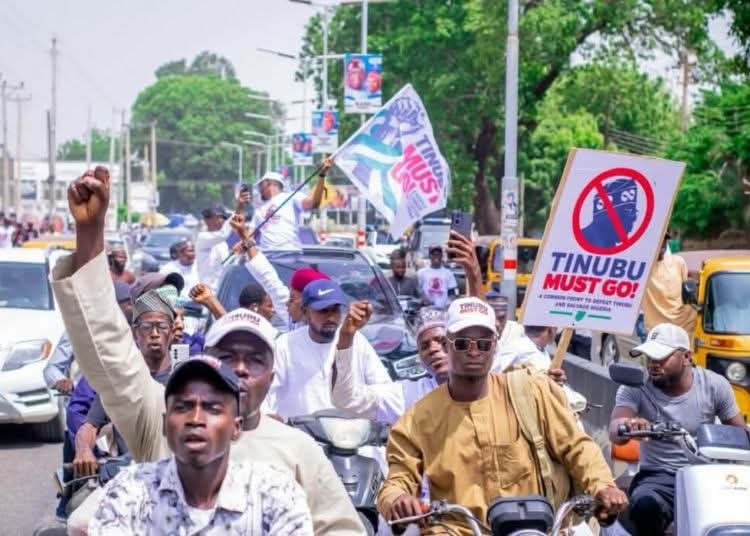
The Kano State Police Command has defended its deployment of officers to a venue booked by members of the ‘Tinubu Must Go’ movement, citing security concerns surrounding the planned political gathering.
The incident occurred on Sunday, October 11, after members of the movement alleged that armed police officers prevented them from accessing the private venue they had hired for the meeting.
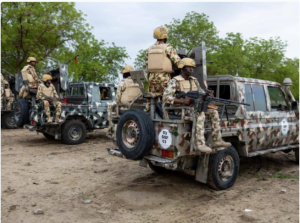
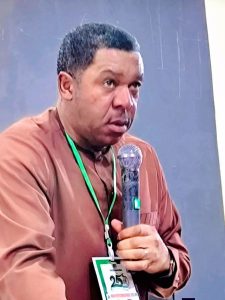
Abba Hikima, a lawyer and convener of the movement, said more than 10 mobile police vehicles were stationed around the venue, restricting access to participants who had gathered to discuss their campaign against President Bola Ahmed Tinubu’s administration.
The movement said the meeting was intended to provide an opportunity for members to exchange views and mobilise support ahead of the 2027 general elections.
Police Cite Security Concerns
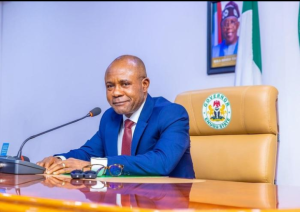
Kano State Commissioner of Police, Ibrahim Adamu Bakori, said the deployment was motivated by concerns about the safety of participants and residents.
According to the commissioner, the gathering was expected to attract approximately 700 people, making adequate security arrangements necessary.
Bakori acknowledged that the organisers had the right to assemble but maintained that communication with the police would have helped the command assess the event and prepare for possible security challenges.
He disclosed that he contacted Hikima after learning about the planned gathering through social media and requested discussions over the arrangements.
The commissioner also referred to a recent incident in Kano’s Sabon Gari area, where police reportedly recovered weapons from individuals who claimed to have travelled to the state for political activities. Investigations into that incident were said to be ongoing.
Bakori denied that the police action was politically motivated, insisting that the command’s priority was to maintain public order and protect lives.
Organisers Challenge Police Action
Hikima, however, accused the police of interfering with the group’s right to peaceful assembly and political expression.
He maintained that the movement had hired a private venue and intended to conduct its activities peacefully. He also argued that citizens were not required to obtain police permission before holding peaceful gatherings.
The lawyer cited constitutional provisions on personal liberty, freedom of expression, and freedom of assembly and association in challenging the action.
Hikima further alleged that an officer objected to members wearing clothing bearing the ‘Tinubu Must Go’ inscription, which the movement uses to communicate its opposition to the president’s administration.
The group insisted that the slogan represented its political position and vowed to continue its activities.
Following the confrontation, members reportedly took to the streets, chanting the slogan and waving flags associated with the movement.
Political Tensions Ahead of 2027
The incident has renewed debate over the limits of police intervention in political gatherings and the protection of citizens’ fundamental rights.
While security agencies have a responsibility to prevent violence and protect the public, political groups have also maintained that peaceful criticism of government policies is a legitimate part of democratic participation.
The disagreement in Kano comes as political activities gradually intensify ahead of the 2027 general elections, with opposition groups increasingly mobilising around concerns over economic hardship, governance and public accountability.
The police have maintained that their intervention was intended to address security concerns, while the movement insists that its members should be allowed to exercise their rights without obstruction.
The incident leaves fresh questions about how security agencies and political organisers can resolve disagreements over public gatherings without escalating political tensions.