Nigeria Rules Out Return of Petrol Subsidy, Targets Private Investment for Economic Growth
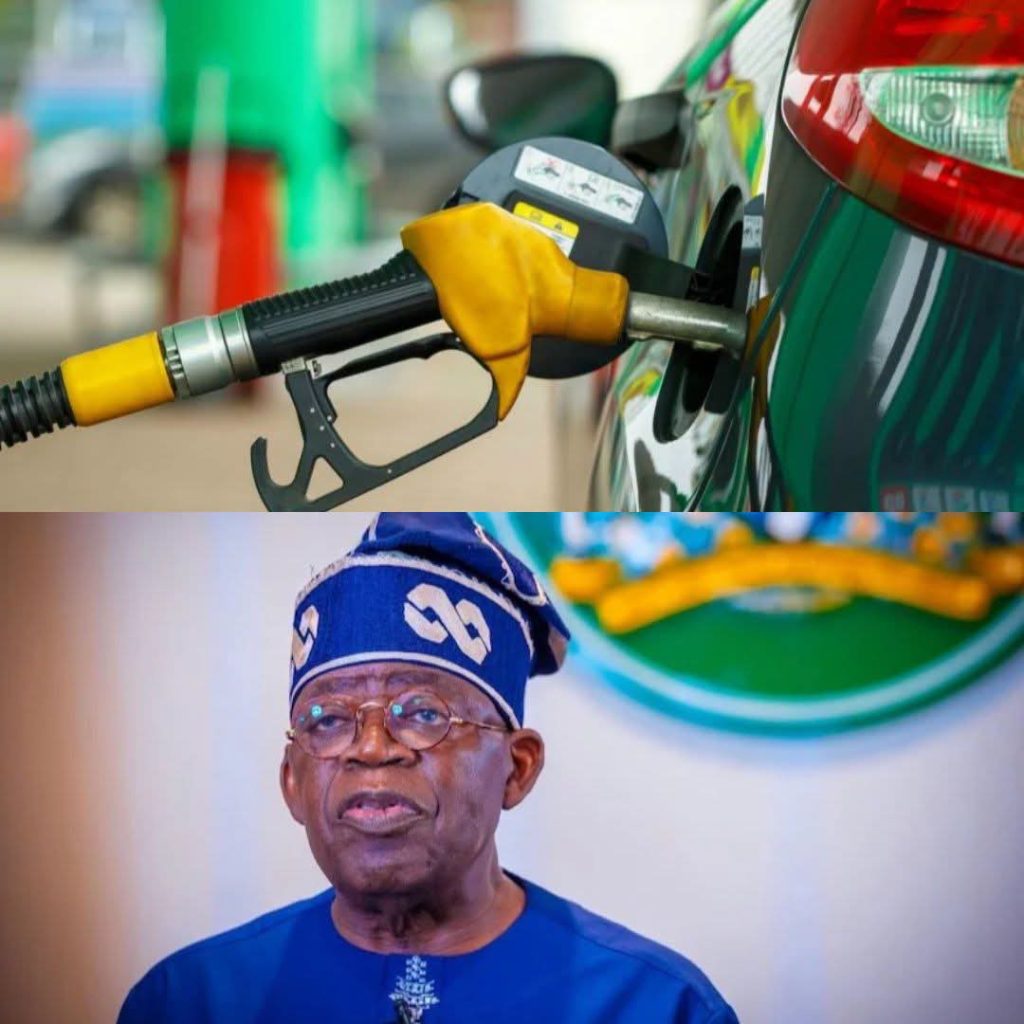
The Federal Government has reaffirmed its decision not to restore petrol subsidies, saying Nigeria will increasingly rely on private investment rather than government borrowing to finance its next phase of economic growth.
Finance Minister Taiwo Oyedele made the position known on Wednesday, October 21, while speaking at Chatham House, a London-based international affairs institute.
Oyedele said the government intends to attract both domestic and foreign investors to support economic expansion, arguing that continued dependence on public borrowing is not a sustainable approach to financing the country’s development.
According to the minister, the government’s position on petrol subsidies remains unchanged, signalling that Nigerians should not expect a return to the former subsidy arrangement.
Government Highlights Decline in Inflation
Oyedele also pointed to a decline in Nigeria’s inflation rate, which he said had fallen from 21 per cent to 14.63 per cent over the past year.
Despite the improvement, he maintained that inflation needs to fall further into the low single digits in the coming months.
The figures indicate progress in the government’s efforts to stabilise the economy, although the pace of improvement in the wider economy will remain important to households and businesses facing high living costs.
What the Policy Means for Nigerians
The government’s plan to rely more heavily on private capital could create opportunities for investment in infrastructure, businesses and other productive sectors if investors respond positively.
However, the approach also raises questions about how the government will balance its economic objectives with the immediate financial pressures facing ordinary Nigerians.
The continued absence of petrol subsidies means fuel prices will remain an important concern for households, transport operators and businesses, particularly because changes in fuel costs can affect the prices of goods and services.
For the policy to deliver lasting benefits, increased investment and lower inflation will need to translate into improved purchasing power, job opportunities and more affordable living conditions.
Nigeria’s next economic phase will therefore depend not only on attracting investors but also on how effectively the government manages its reforms and distributes the benefits of economic growth.