Keffe D Sentenced to 40 Years to Life in Prison for Tupac Shakur’s Murder
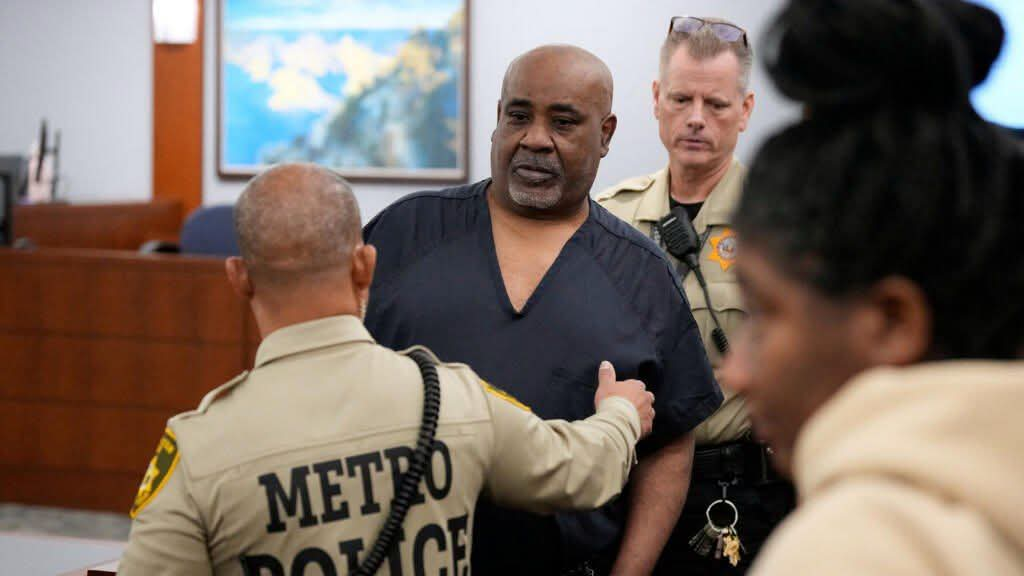
Duane “Keffe D” Davis, the man convicted of orchestrating the 1996 murder of legendary American rapper Tupac Shakur, has been sentenced to 40 years to life in prison.
The 63-year-old Davis received the sentence on Tuesday, October 13, 2026, in a Las Vegas court, nearly 30 years after Shakur was fatally shot in a drive-by attack that became one of hip-hop’s most notorious unsolved cases.
Davis was found guilty of first-degree murder in August 2026 following a trial that examined his alleged role in the killing. Prosecutors argued that he helped organise the attack as an act of retaliation after an earlier altercation involving his nephew, Orlando Anderson, and members of Shakur’s entourage.
According to evidence presented during the trial, Davis was inside a white Cadillac that pursued the vehicle carrying Shakur and music executive Marion “Suge” Knight on the night of September 7, 1996. Prosecutors alleged that Davis supplied a firearm to associates in the vehicle before shots were fired.
Shakur was struck multiple times and died in hospital six days later, aged 25. Knight survived the shooting.
Investigators eventually built their case against Davis partly on statements he made in interviews and his 2019 memoir, Compton Street Legend, in which he discussed his involvement in the events surrounding the killing.
During the sentencing hearing, Shakur’s sister, Sekyiwa Shakur, delivered an emotional statement about the devastating impact of her brother’s death on their family. The judge also addressed the lasting consequences of the killing before imposing the sentence.
Davis’ defence had challenged the prosecution’s case, arguing that his statements were not reliable. Following sentencing, Davis indicated that he intended to appeal his conviction.
Despite the conviction, one major question remains unresolved: the identity of the individual who fired the fatal shots. Prosecutors maintained that Davis orchestrated the attack, but he was not convicted on the basis that he personally pulled the trigger.
The sentence marks a significant development in a case that haunted Shakur’s family and fans for decades.
Nearly three decades after the rapper’s death, the conviction and sentencing represent a major step in the pursuit of accountability for one of music history’s most infamous killings.