Nigeria, Germany Move to Strengthen Economic Ties and Investment Cooperation
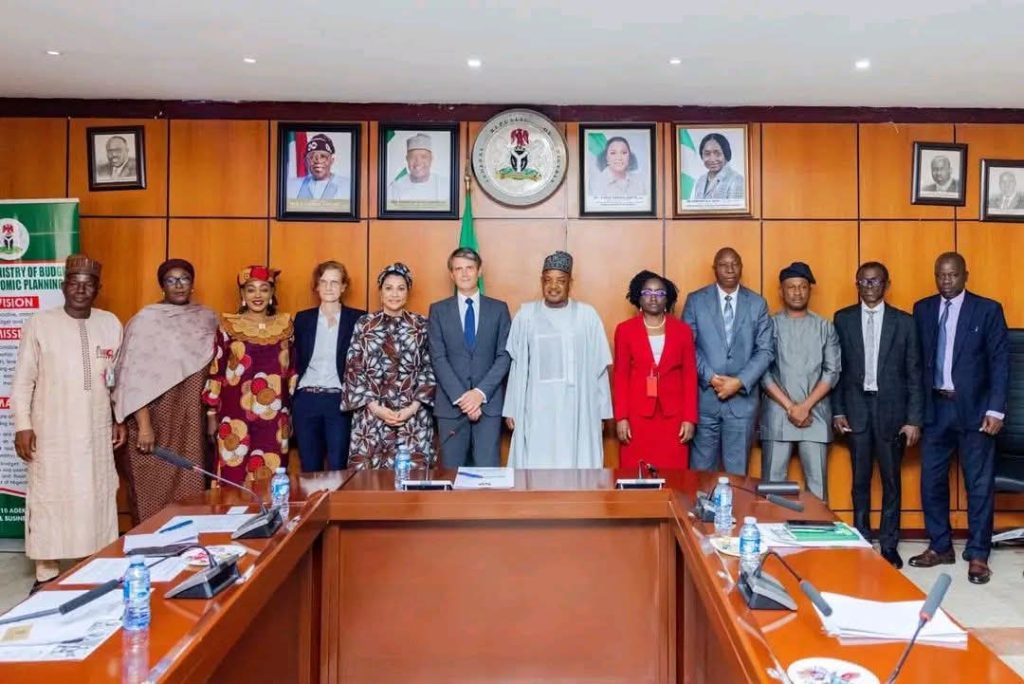
Nigeria and Germany are seeking to deepen bilateral economic relations through expanded investment, energy cooperation and the implementation of existing agreements aimed at delivering tangible economic benefits.
Nigeria and Germany are working to strengthen their economic partnership, with renewed discussions focusing on investment promotion, energy cooperation and the implementation of existing bilateral agreements.
The engagement reflects both countries’ interest in building on their longstanding relationship and translating diplomatic commitments into practical economic outcomes.
Nigeria’s Minister of Budget and Economic Planning, Senator Abubakar Atiku Bagudu, discussed opportunities for deeper cooperation with Germany’s Ambassador to Nigeria, Stefan Rössel, during a meeting in Abuja.
The discussions centred on strengthening existing partnerships and identifying opportunities to advance shared economic and development priorities.
Nigeria Seeks Greater Economic Benefits
Nigeria continues to pursue international partnerships aimed at attracting investment, supporting economic development and expanding opportunities across strategic sectors.
The government’s engagement with Germany reflects efforts to strengthen cooperation with international partners and improve the implementation of agreements designed to support national development.
Investment promotion remains a significant area of interest, particularly as Nigeria seeks to encourage productive economic activity, strengthen infrastructure and create a more supportive environment for businesses.
Stronger bilateral relations could facilitate greater collaboration between Nigerian and German companies, allowing both sides to explore commercial opportunities and exchange technical expertise.
However, the long-term benefits will depend on whether discussions lead to concrete projects, investment commitments and measurable economic outcomes.
Energy Cooperation Remains a Key Priority
Energy cooperation remains an important component of Nigeria’s relationship with Germany.
Collaboration in this sector could create opportunities for technical assistance, infrastructure development and the exchange of expertise. Such cooperation may also support efforts to address challenges affecting energy supply and industrial productivity.
For Nigeria, improving the reliability of energy infrastructure remains important to businesses, manufacturers and other productive sectors of the economy.
Germany’s industrial and technological capabilities could provide opportunities for cooperation in areas where investment, technical knowledge and effective project implementation are required.
Nevertheless, the success of any proposed initiatives will depend on clear implementation plans, appropriate financing arrangements and sustained engagement between both countries.
Germany Reaffirms Commitment to Bilateral Relations
Germany has maintained longstanding relations with Nigeria, with cooperation spanning economic development, technical assistance and investment.
The latest discussions provide an opportunity for both countries to build on their existing relationship and explore additional areas of mutual interest.
For Nigeria, deeper engagement could support efforts to attract international investment and strengthen its economic capacity. For Germany, closer cooperation offers opportunities to expand economic relations with one of Africa’s major markets.
Continued engagement between government institutions and relevant stakeholders will be important in identifying projects, addressing implementation challenges and advancing shared objectives.
Implementation Will Determine the Outcome
Although stronger diplomatic relations can create opportunities, their economic value ultimately depends on the results they deliver.
For Nigeria, the priority will be ensuring that international partnerships translate into productive investment, stronger infrastructure and sustainable economic opportunities.
Businesses and investors will also be looking for clear evidence of progress, including the implementation of agreed projects and the creation of conditions that encourage long-term commercial engagement.
The effectiveness of the Nigeria–Germany partnership will therefore depend not only on the commitments made by both countries but also on their ability to convert those commitments into measurable outcomes.
As discussions continue, investment promotion and energy cooperation are expected to remain important areas of engagement.
The renewed focus on bilateral relations underscores the potential for stronger economic collaboration between Nigeria and Germany. Whether that potential translates into substantial economic gains will depend on progress in implementing existing agreements and advancing practical areas of cooperation.