Peter Obi Rejects $123.77m Anambra Debt Claim, Says He Left Over $150m in Funds
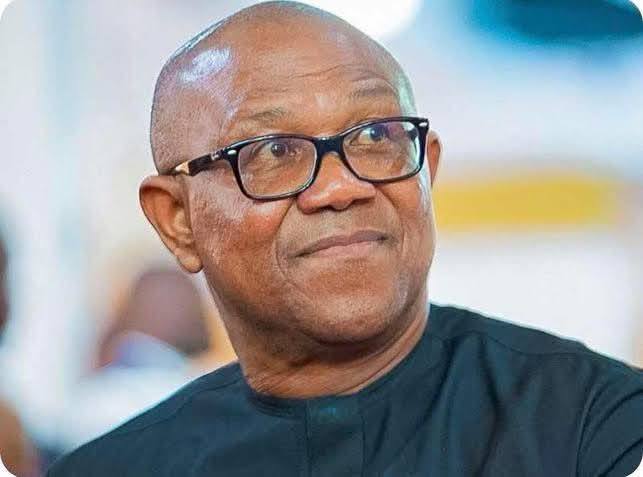
Former Anambra State Governor Peter Obi has rejected claims that his administration left the state with $123.77 million in debt, challenging the figures released by the Anambra State Government.
Obi, who served as governor from 2006 to 2014, addressed the controversy during an interview with Arise News on Thursday and in a subsequent statement, insisting that he did not borrow money or issue bonds on behalf of Anambra State during his tenure.
The dispute followed the Anambra State Government’s release of records detailing eight external financing facilities associated with projects undertaken during Obi’s administration. The government said the facilities had a combined original value of $123.77 million, with $92.35 million still outstanding as of June 30, 2026.
Obi, however, argued that the government’s presentation conflates approved development facilities with money actually drawn and owed by the state. He said several of the programmes were concessionary development facilities obtained through the Federal Government and subsequently made available to participating states.
He also cited Debt Management Office figures, saying Anambra’s recorded external debt was about $18 million when he assumed office and approximately $30 million when he handed over power in March 2014. He questioned how the $123.77 million figure could therefore be presented as debt inherited from his administration.
Beyond the debt figures, Obi said his administration left more than $150 million in foreign-currency investments and funds for the state. According to his account, the investments were expected to generate about $10 million annually.
Obi said that even if the $123.7 million figure were hypothetically accepted, the funds he claimed to have left behind could have covered the obligation while preserving the investment capital.
He has challenged the Anambra State Government to publish the underlying financial records so that the figures can be independently verified through the relevant banks and international development institutions.
The Anambra debt controversy has now become a wider dispute over how development financing, loan drawdowns, outstanding obligations and the state’s financial position at the end of Obi’s tenure should be accounted for.
While the state government maintains that loans associated with projects during Obi’s tenure remain part of Anambra’s debt obligations, Obi disputes the characterization and has called for the figures to be examined against official records.