Nigeria’s Power Grid Collapsed 105 Times in a Decade Despite Billions in Investment

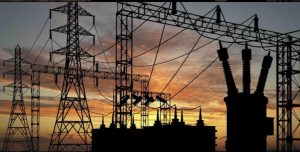
Nigeria’s national electricity grid suffered about 105 collapses over a 10-year period, despite billions of dollars in loans and investments aimed at improving the country’s power infrastructure.
The figure was highlighted in a fresh analysis published by The PUNCH, which revisited the long-running challenges facing Nigeria’s electricity sector.
According to the report, the 105 collapses occurred during the administrations of former President Muhammadu Buhari and President Bola Tinubu, with data from the Nigerian Electricity Regulatory Commission (NERC) forming part of the analysis.
The historical data showed that the grid recorded approximately 93 collapses between June 2015 and May 2023, during Buhari’s administration. The Tinubu administration also recorded multiple grid collapses after taking office in May 2023.
The recurring failures have contributed to widespread power outages, affecting households, businesses and industries that depend on electricity for their daily operations.
NERC has previously explained that grid instability can occur when the system operates outside its normal voltage and frequency limits. Problems affecting generation, transmission or the balance between electricity supply and demand can trigger further shutdowns and, in severe cases, lead to partial or total system collapse.
The PUNCH investigation also examined funding for the sector and reported that Nigeria had secured about 10 World Bank loans worth $4.36 billion over the decade for electricity-related projects. However, a significant portion of the approved funding had not been disbursed at the time of the investigation.
The continued instability has remained a major concern for electricity consumers, particularly businesses that rely on generators and other alternatives when public supply fails.
More recent NERC actions have focused on improving the performance and financial management of electricity distribution companies, while the commission has also issued directives intended to ensure that available revenues are used for network improvements.
The Federal Government has also continued to announce measures aimed at improving electricity supply. Power Minister Joseph Tegbe said recently that some communities that previously experienced prolonged outages were now receiving significantly longer periods of electricity supply.
However, the history of repeated grid failures shows that maintaining a stable national electricity network remains a major challenge for Nigeria.
The 105-collapse figure therefore reflects a historical record of the sector’s instability over the period examined, rather than a count of grid collapses recorded so far in 2026.